Partizaan Future Fiction

PARTIZAAN FUTURE FICTION: What if your memories could be edited?
Part of the ongoing Partizaan Future Fiction series exploring artificial intelligence, technology and the future of humanity.
Our memories shape who we are. They define our happiest moments, our greatest regrets and the lessons we've learned throughout life. But what if technology one day allowed us to erase painful memories—or even rewrite them? Would we become happier... or simply someone else?
Artificial intelligence is rapidly moving from assisting people to making decisions on their behalf. How much control are we willing to hand over—and what happens when we can no longer understand the systems that decide our future?
What if your memories could be edited?
Imagine visiting a clinic after experiencing a traumatic event.
Instead of years of therapy, doctors offer a new treatment. They don't erase the memory completely. Instead, they reduce its emotional impact, allowing you to remember what happened without reliving the pain every time you think about it.
Science is already taking cautious steps in this direction.
Researchers are studying how memories are formed, stored and recalled inside the brain. Some experimental treatments aim to weaken traumatic memories in people suffering from severe anxiety or post-traumatic stress disorder. The goal isn't to delete the past, but to help patients live with it.
The possibilities sound remarkable.
But they also raise profound questions.
Tricky memory
Our memories are not perfect recordings of reality. Every time we remember an event, our brain reconstructs it. Details change. Emotions fade or intensify. New experiences influence old memories without us even noticing.
In other words, our memories are already being edited.
Just not by machines.
Now imagine technology becoming capable of doing that deliberately.
Would you erase the memory of losing someone you loved?
Would you remove the embarrassment of your greatest mistake?
Would you choose to forget heartbreak, failure or grief?
At first glance, the answer seems obvious.
Who wouldn't want less suffering?
Yet painful experiences often shape our character. They teach resilience, empathy and wisdom. Many people discover that the moments they would gladly erase were also the moments that changed their lives for the better.
Without those memories, would they still be the same person?
The ethical questions quickly become even more complicated.
If memories can be modified, could they also be manipulated?
Could witnesses in criminal investigations unknowingly receive altered recollections? Could governments, companies or criminals abuse such technology? Could false memories become impossible to distinguish from genuine ones?
The danger isn't simply losing the past.
It's losing confidence that the past really happened the way we remember it.
Science fiction has explored these ideas for decades because memory is more than stored information. It is identity itself.
Perhaps our memories are valuable not because they are perfect, but because they are imperfect.
They remind us that being human means carrying both joy and pain.
Technology may one day help us heal.
But some experiences shouldn't disappear.
They deserve to remain part of the story that made us who we are.
Curious about the future of artificial intelligence, neuroscience and human identity?
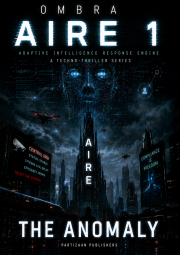
Discover AIRE 1 – The Anomaly by Ombra Fiction, a gripping near-future techno-thriller in which technology quietly begins reshaping society in unexpected ways.
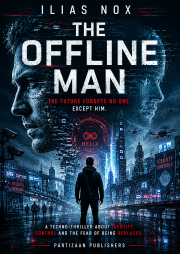
Or read The Offline Man by Ilias Knox, a psychological thriller exploring the fragile boundary between memory, identity and our dependence on the digital world.
Both novels are part of the Partizaan Future Fiction collection.