Partizaan Future Fiction
PARTIZAAN FUTURE FICTION: Why AI will never truly think like a human
Part of the ongoing Partizaan Future Fiction series exploring artificial intelligence, technology and the future of humanity.
Artificial intelligence is becoming increasingly powerful, but can it ever truly think like a human being? It is one of the most fascinating questions of our time. While AI continues to transform our daily lives, human intelligence remains about far more than data and logic. In this Future Fiction article, we explore why that distinction matters—and why it may shape our future.
Artificial intelligence is rapidly moving from assisting people to making decisions on their behalf. How much control are we willing to hand over—and what happens when we can no longer understand the systems that decide our future?
Artificial intelligence is developing at an unprecedented pace. Every new breakthrough raises the same fascinating question: could machines one day think, reason and even feel like human beings? While AI continues to amaze us with its capabilities, the answer is far more complex than many headlines suggest. Human intelligence is shaped by emotions, memories, intuition and lived experiences—qualities that no algorithm truly possesses. In this article, we explore why that distinction matters more than ever, and why science fiction may be one of the best ways to understand the future that is rapidly unfolding around us.
Why AI will never truly think like a human
Artificial intelligence is advancing at an extraordinary pace. Every new generation of AI models is faster, more accurate and capable of solving increasingly complex problems. Some experts even predict that machines will eventually surpass human intelligence. But there is one crucial question that deserves far more attention.
Can artificial intelligence ever truly think like a human being?
The answer is more complex than many people realise. Today's AI systems analyse enormous amounts of data, recognise patterns and generate remarkably convincing responses. They can write articles, compose music, create artwork and even assist doctors, engineers and scientists. Yet none of these impressive achievements proves that AI actually understands the world in the way humans do.
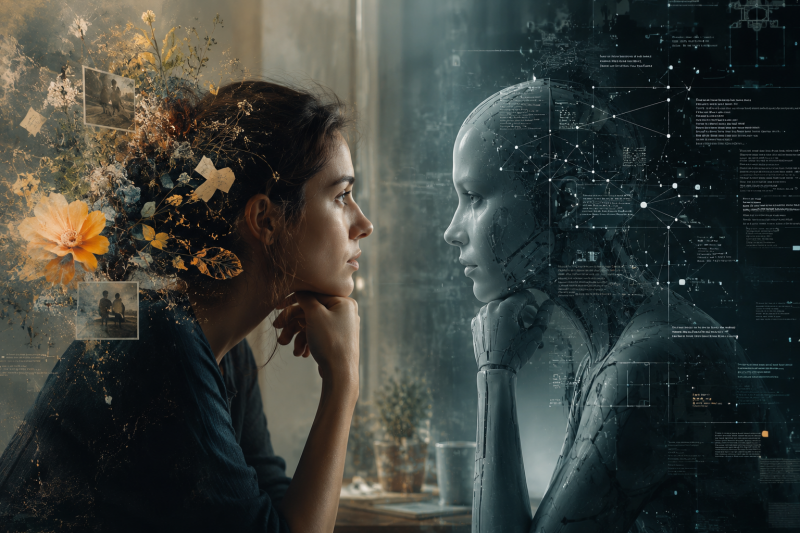
Human intelligence is shaped by far more than logic. Every decision we make is influenced by memories, emotions, intuition, personal experiences and empathy. We understand joy because we have celebrated, grief because we have lost someone and fear because we have faced uncertainty. Artificial intelligence can describe those emotions with astonishing accuracy, but it does not experience them.
That distinction matters more than ever as AI becomes part of our daily lives. Algorithms increasingly help determine what we read, what we buy, how we travel and even how organisations make important decisions. The challenge for the future is therefore not simply building smarter machines, but ensuring that human judgement, ethics and compassion remain at the centre of technological progress.
Science fiction has explored these questions for decades. Long before artificial intelligence became part of everyday life, writers imagined worlds in which technology gradually transformed society, often in ways that people never expected. Today those fictional questions are becoming real ones.
Continue reading on Medium
This article is a condensed version of a more in-depth essay published on the official OMBRA Fiction Medium publication.
Read the complete essay →
Why AI Will Never Truly Think Like a Human — And Why That Matters
Continue exploring Future Fiction
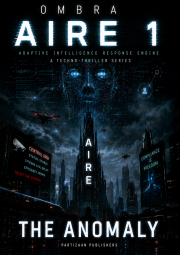
If you enjoy thought-provoking articles about artificial intelligence, technology, surveillance, ethics and speculative fiction, discover our novels:
Both novels are part of Partizaan Future Fiction, where compelling stories and contemporary technological questions come together.